

Anxiety does not always enter life through a panic attack or an obvious fear. Sometimes, it appears as a mind that will not switch off. It may hide behind perfectionism, controlling behaviour, procrastination, or a constant need for reassurance. A person may appear responsible, precise, and successful while internally remaining preoccupied with anticipating danger.
Many people with anxiety are not simply afraid of one particular issue. They fear being unable to tolerate something that might happen. In this state, the mind attempts to create security through more analysis, greater preparation, and increased control. The problem is that these efforts gradually reinforce the anxiety system.
Treating anxiety involves more than calming someone down. Effective treatment needs to demonstrate how anxiety develops and how it continues through the body, thoughts, and behaviours. It then helps the person develop a different relationship with uncertainty, fear, and physical sensations.
1
When Does Anxiety Go Beyond a Natural Response?

Anxiety is a natural part of the survival system. When the body encounters a potential threat, heart rate increases, attention narrows, muscles prepare to respond, and the brain redirects its resources from calm reflection toward identifying danger.
This system is essential. The problem begins when the brain no longer clearly distinguishes between the possibility of danger and the actual presence of danger. A thought, memory, email, or physical sensation may produce the same response as a genuine threat.
Clinical anxiety is generally characterized by three features: the intensity of the response is disproportionate to the situation, the response continues for an extended period, and the person’s life becomes restricted as they attempt to escape anxiety.
Someone may continue working, studying, and fulfilling their responsibilities. Adequate outward functioning does not always indicate psychological well-being. Some people maintain their performance by expending an enormous amount of energy. The cost may include chronic exhaustion, irritability, insomnia, and burnout.
2
When the Mind Never Tires of Predicting Danger
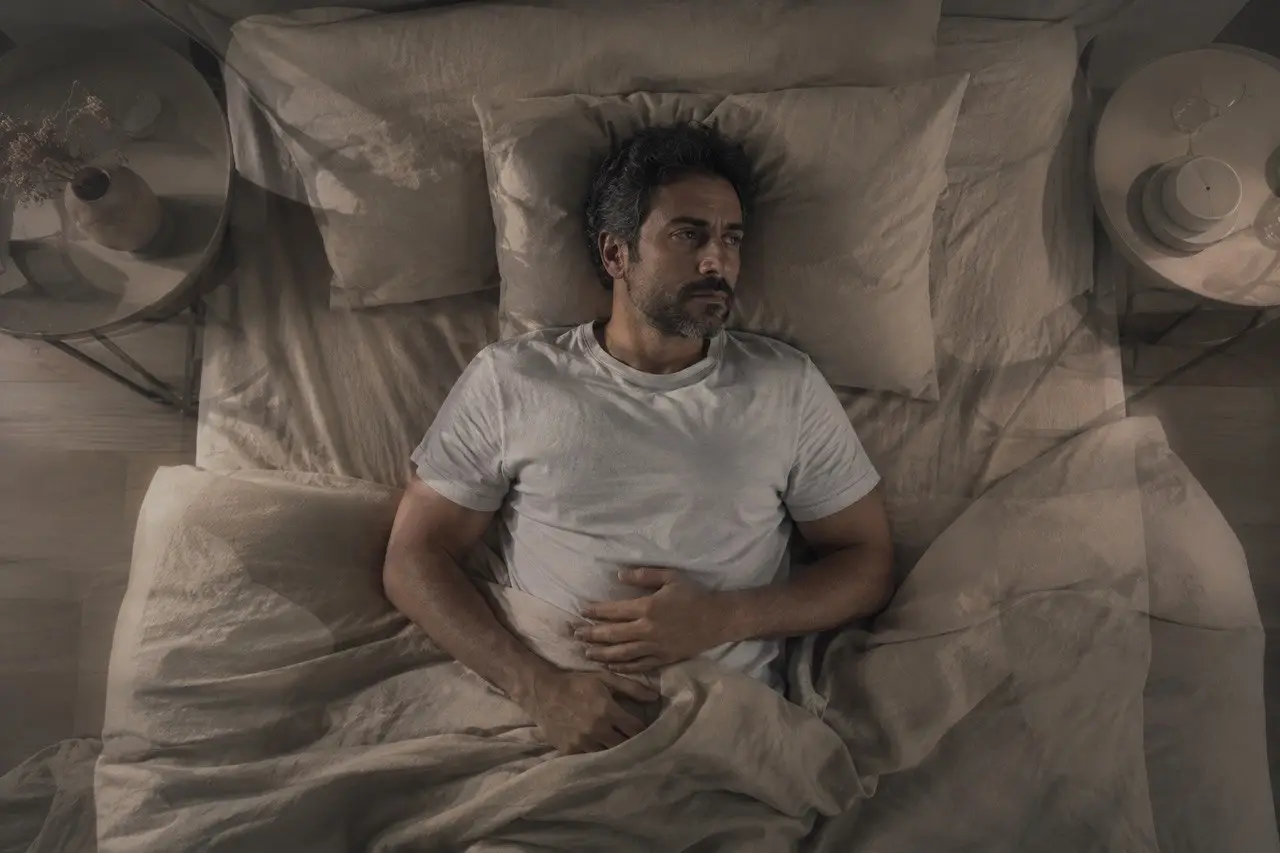
An anxious brain is generally biased toward threatening information. It interprets ambiguous signals as more dangerous, overestimates the likelihood of negative outcomes, and underestimates its ability to cope with difficulties.
For example, someone sends a message and receives a brief reply. The anxious mind does not leave this ambiguity unresolved or neutral. It may interpret the response as evidence of anger, rejection, or the end of the relationship. A mental investigation begins: What did I say? Why did they respond like that? Should I send another message?
This process may look like problem-solving, but it is often rumination. Problem-solving leads to a specific action or decision. Rumination repeatedly reproduces the same question without creating new information.
The person hopes that further thinking will produce certainty. Some human situations, however, are inherently uncertain. The more the mind searches, the more doubt it creates.
3
The Anxious Body Reacts Before the Mind
Anxiety is not merely a collection of negative thoughts. It is also experienced in the nervous system, breathing, muscles, digestive system, and sleep. A person may experience heart palpitations, chest heaviness, dizziness, trembling, sweating, or a sensation of suffocation.
Sometimes, the person first notices a natural physical change and then interprets it as a sign of danger. An increased heart rate after consuming caffeine or getting insufficient sleep, for example, may be interpreted as evidence of a heart attack. This interpretation increases fear, and the fear further increases heart rate. A cycle develops in which fear of the physical sensation intensifies the sensation itself.
This mechanism is particularly important in panic attacks. A panic attack is a genuine and highly intense experience, but the intensity of perceived danger does not necessarily indicate the presence of medical danger. Nevertheless, new or unusual symptoms should be medically assessed. Physical symptoms should not be attributed to anxiety without appropriate evaluation.
4
Anxiety Does Not Always Look Like Fear
Some forms of anxiety are not easily recognized. A person may not consider themselves anxious while experiencing the following patterns:
Anxiety sometimes hides behind the image of a strong and reliable person. Someone may create a sense of safety by anticipating everyone else’s needs and preventing every possible mistake. From the outside, this appears to be responsibility. Internally, it may be an exhausting effort to avoid criticism or rejection.
5
Common Types of Anxiety Disorders
Anxiety is not a single experience. Recognizing its primary form helps guide more precise treatment.
Generalized Anxiety Disorder
In this pattern, worry is not limited to one subject. The mind moves from health and employment to the future, relationships, and financial concerns. Even after one worry is resolved, another takes its place.
The central problem is not only the content of the worry. It is difficulty tolerating uncertainty and the mind’s tendency to use worry as a form of preparation. The person may believe that if they do not worry, they will be caught off guard or fail to act responsibly.
Panic Disorder
Panic attacks are sudden waves of intense fear accompanied by physical symptoms and a sense of losing control. After the first attack, someone may become more afraid of its recurrence than of the original episode.
They consequently avoid places and activities associated with the previous attack. They may stop exercising to prevent their heart rate from increasing, avoid going out alone, or stay away from crowded environments. These forms of avoidance communicate to the brain that the physical sensations and situations truly are dangerous.
Social Anxiety
Social anxiety is more than shyness. The person fears negative evaluation, humiliation, and the exposure of perceived flaws. They may repeatedly rehearse a conversation before an interaction and closely scrutinize their behaviour afterward.
Excessive self-focus causes the individual to pay less attention to the actual conversation. They are monitoring their voice, facial expression, and performance. This intense self-surveillance makes it more difficult to be naturally present within the interaction.
Specific Phobias
In a specific phobia, intense fear is focused on a particular situation, animal, object, or activity. The person generally understands that the intensity of the fear is excessive, but this awareness is not sufficient to stop the body’s response.
Avoidance reduces anxiety in the short term. This immediate relief reinforces the avoidance. Over time, the fear expands and the person’s life becomes less flexible.
Agoraphobia
A person fears situations in which leaving may be difficult or help may be unavailable if anxiety symptoms arise. Public transportation, queues, crowds, and open or enclosed spaces may become triggers.
Health Anxiety
In this condition, ordinary physical sensations or ambiguous medical information are interpreted as signs of a serious illness. Internet searching, repeated bodily examination, frequent medical consultations, or complete avoidance of healthcare may all maintain the anxiety cycle.
Medical reassurance may provide temporary relief before a new doubt appears: perhaps the test was inaccurate, or perhaps the illness cannot yet be detected. The central problem is therefore not simply a lack of medical information. It is difficulty tolerating the normal degree of uncertainty associated with the body.
6
The Cycle That Keeps Anxiety Alive
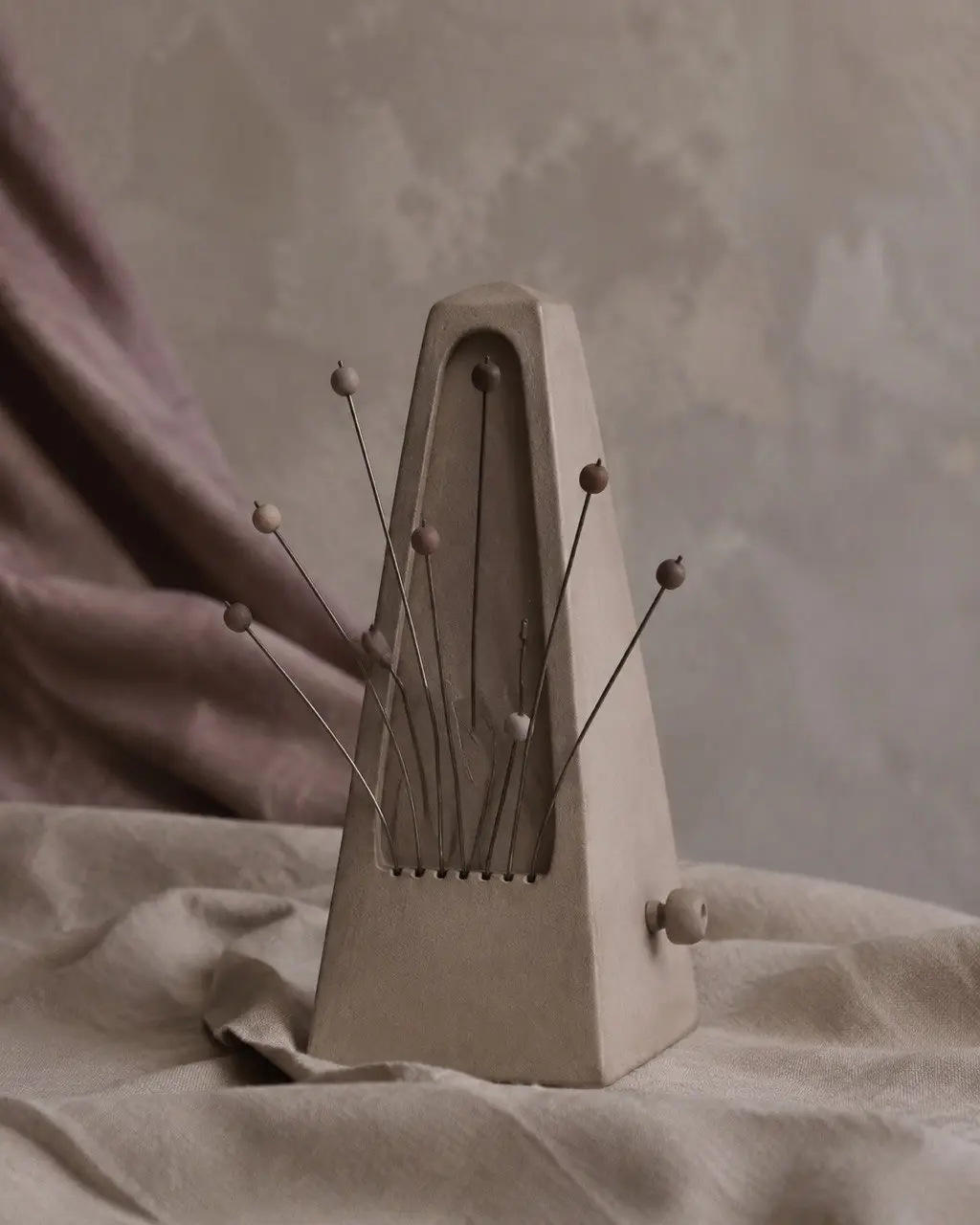
Anxiety generally begins with a trigger. The trigger may be external, such as a call from a manager or silence from a partner. It may also be internal, such as a memory, mental image, or increased heart rate.
The mind interprets the trigger. If the interpretation is threatening, the body enters a state of alarm. The person does something to reduce the distress: they avoid, seek reassurance, repeatedly check, control their behaviour, or leave the situation.
This behaviour reduces anxiety in the moment. The brain records the reduction as evidence. Its implicit conclusion is that the situation was dangerous and the safety behaviour prevented a catastrophe.
For example, someone reviews a work presentation ten times. The presentation goes well, but they do not conclude that they were capable. Instead, they conclude that reviewing it ten times was the only reason they avoided failure. The next time, they feel the need for even more control.
Treatment needs to identify this cycle as it functions for the individual. General advice to remain calm or think positively cannot change a cycle established through behavioural learning and physiological reactions.
7
Why Does Avoidance Not Treat Anxiety?

Anxiety: A Protector That Restricts Your Life
Avoidance is one of the most powerful factors maintaining anxiety. When people avoid a feared situation, they do not have an opportunity to test their predictions. They also do not discover that anxiety can increase without escape and then naturally decline.
Avoidance is not always obvious. Remaining silent during a meeting may be a form of avoidance. Preparing every sentence before a telephone call may be a safety behaviour. Refusing to make a decision may be a way of escaping the possibility of regret. Even endless analysis can become a cognitive form of avoiding emotion.
The purpose of treatment is not to suddenly remove every protective strategy. Doing so could overwhelm the nervous system. The therapist and client create a gradual hierarchy that allows the person to face a tolerable level of fear and develop new learning.
8
How Does Cognitive Behavioural Therapy Help?
Cognitive Behavioural Therapy, or CBT, is an evidence-based treatment for anxiety disorders. It involves more than replacing negative thoughts with positive ones.
The therapist and client examine the situations in which anxiety becomes active, the mind’s predictions, the body’s reactions, and what the person does to prevent danger. Beliefs are then examined through discussion and behavioural experiments.
Someone afraid of making mistakes, for example, may intentionally send an unimportant message without reviewing it five times. The purpose is not to prove that no consequence will ever occur. It is to learn that a possible mistake is tolerable and repairable and that complete control is not necessary for safety.
Effective CBT should be designed around the mechanism of the individual’s anxiety. An exercise appropriate for social anxiety may function differently in the treatment of obsessive-compulsive concerns or trauma.
9
Exposure Therapy: Learning Safety Without Escaping
Exposure therapy does not mean throwing someone into the most frightening possible situation. Exposure is a planned process that allows the brain to reconsider its threatening predictions.
In contemporary approaches, the objective is not solely to reduce anxiety during the exercise. Anxiety may remain elevated, but the person learns that they can tolerate it and that the anticipated catastrophe either does not occur or can be managed.
For panic attacks, exposure may involve deliberately creating certain physical sensations under controlled and safe conditions. Increasing the heart rate, for example, can help the person recognize that this sensation is not inherently dangerous.
For social anxiety, someone may practise a behaviour that increases the possibility of being noticed or appearing imperfect. They then observe how other people actually respond and whether they can cope if a negative reaction occurs.
10
Acceptance-Based and Mindfulness Approaches
Many people have spent years attempting to eliminate anxiety. They interpret every physical sensation or anxious thought as evidence that treatment has failed. This continuous struggle can itself become a source of anxiety.
Acceptance-based approaches help people distinguish the presence of a thought or emotion from the need to obey it. The thought “I am definitely going to fail” is a mental event. It is neither a command nor a certain prediction.
Mindfulness is also more than a relaxation exercise. Its purpose is to cultivate flexible attention. People learn to observe physical sensations, thoughts, and emotions without immediately turning toward avoidance or analysis.
Acceptance does not mean surrendering to harmful circumstances. It means recognizing the current internal experience as it is and then choosing behaviour according to one’s values.
11
When the Roots of Anxiety Are Not Limited to the Present
How Does Anxiety Quietly Make Life Smaller?
For some people, anxiety is connected to early life experiences. A child raised in an unpredictable environment may constantly monitor subtle changes in other people’s moods. A child who was accepted only when performing exceptionally well may equate mistakes with losing their worth.
Treatment in these circumstances is not limited to managing current symptoms. Deeper schemas need to be examined. The person may believe that the world is unsafe, that others cannot be trusted, or that they must remain flawless to be accepted.
Approaches such as Schema Therapy can help identify these patterns. However, exploring the past is most useful when it leads to an understanding and modification of the current mechanism. Recounting the past without creating corrective experiences does not necessarily reduce anxiety.
12
Anxiety Treatment in Your First Language
Anxiety does not develop in a vacuum. Cultural and family meanings can shape what a person fears and how that fear is expressed. Fear of disappointing one’s family is not identical to fear of personal failure. A sense of responsibility toward parents cannot always be understood through purely individualistic standards.
Therapy in Farsi can allow emotional experiences to be expressed more accurately. The person does not need to translate a feeling before communicating it. The nuances of concepts such as social obligation, family reputation, family duty, and relationship-related guilt enter therapy with their full meaning.
Cultural sensitivity does not mean affirming every cultural norm. The therapist should understand the role of culture while also exploring which patterns are now creating suffering or restricting the person’s life.
13
When Should You Seek Professional Help for Anxiety?
A professional assessment is advisable when worry occupies a significant portion of the day or interferes with sleep, concentration, and daily functioning. Avoiding important situations is another significant indication. If maintaining your functioning has become dependent on excessive control, substance use, or repeated reassurance seeking, anxiety has likely moved beyond a natural response.
Seeking help does not need to be postponed until a complete breakdown occurs. Earlier intervention can prevent avoidance from expanding and life from becoming increasingly restricted.
Medical assessment is also important if you experience new or severe physical symptoms. Certain medical conditions, medications, and stimulants can produce symptoms resembling anxiety.
If anxiety is accompanied by thoughts of self-harm or a serious inability to maintain your safety, seek immediate emergency support where you live. Online counselling is not a substitute for emergency services.
14
How Is Effective Treatment Evaluated?
Progress is not measured only by a reduction in the intensity of anxiety. A person may continue to experience anxiety without allowing it to make their decisions. They engage in important conversations, stop escaping social situations, and make choices without achieving complete certainty.
Important indicators of progress may include reduced avoidance, greater flexibility, increased tolerance of uncertainty, and improvements in sleep and concentration. The person should also become able to recognize anxiety patterns earlier and choose a more deliberate response instead of reacting automatically.
The therapist and client should translate goals into observable behaviours. “I want to feel less anxious” is a general goal. “I want to make a decision without seeking reassurance three times” or “I want to begin using public transportation again” provides a clearer measure.
15
Frequently Asked Questions
Reclaiming Your Life from Anxiety
Anxiety enters life with the promise of protection. It tells people that if they think more, control more, and prepare more thoroughly, they will not be harmed. Gradually, however, this protection makes life smaller.
Anxiety treatment is not the process of eliminating an emotion. It involves reconstructing the person’s relationship with danger, uncertainty, and their own abilities. They learn which warnings require action and which are produced by an overactive alarm system.
If worry, avoidance, and physical symptoms have begun restricting your life, you can book an online anxiety counselling session in Farsi. A careful assessment can clarify how your anxiety is being maintained and which therapeutic path is most appropriate for your needs.
